

Emergency 0484 7185000

 Second Opinion
  Book
an Appointment
Book
an Appointment
 Our Doctors
Offcanvas
Emergency
0484 7185000
Call Us
8593882299
Centres of Excellence




0484 7185000
8593882299

The Cardiac Rehabilitation Programme at Apollo Adlux Hospital is a structured, medically supervised service for people recovering from heart surgery, angioplasty or a cardiac event, as well as selected patients living with chronic heart conditions.
Cardiologists, physiotherapists, dietitians, nurses and counsellors work together to improve functional capacity, support safe return to daily activity and reduce modifiable cardiac risk factors. Each rehabilitation plan is tailored to the patient's clinical condition, treatment history and recovery goals.
Who May Benefit
Cardiac rehabilitation is a structured, medically supervised programme designed to help patients recover safely after a heart-related illness or procedure while reducing the risk of future cardiovascular events. It is recommended for individuals recovering from coronary artery bypass grafting (CABG), coronary angioplasty or percutaneous coronary intervention (PCI), heart attacks (myocardial infarction), and heart-valve repair or replacement surgery. The programme also benefits patients living with heart failure, those with stable coronary artery disease, and individuals at higher cardiovascular risk due to conditions such as diabetes, hypertension, high cholesterol, obesity, or multiple heart disease risk factors. Through personalised exercise training, risk factor management, nutritional guidance, lifestyle counselling and ongoing medical supervision, cardiac rehabilitation helps improve heart function, enhance physical fitness, promote faster recovery, and support long-term heart health and quality of life.
Programme Components
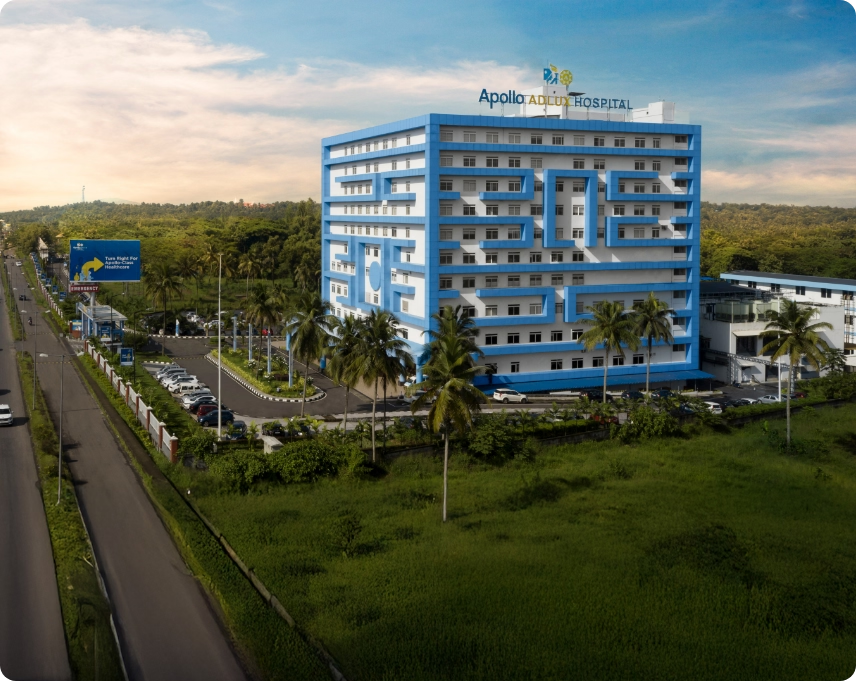
Apollo Adlux Hospital, Angamaly provide comprehensive treatment for all types diseases. Our highly qualified doctors and trained clinical staff, ensure the best care for all.
Accurate diagnosis is the foundation of effective heart care. Apollo Adlux Hospital offers comprehensive non- invasive and interventional cardiac investigations supported by modern imaging technologies and experienced cardiologists.

Lorem Ipsum is simply dummy text of the printing and typesetting industry. Lorem
Enquiry nowCardiac rehabilitation is commonly recommended after heart surgery, angioplasty or a heart attack because it supports safe recovery, physical conditioning, risk-factor control and confidence. Your cardiologist will advise when it is appropriate to begin.
Exercise is planned according to your diagnosis, treatment and functional capacity, and is supervised by trained professionals. Clinical parameters are monitored as appropriate.
Bring your discharge summary, current medication list, recent test reports and any instructions from your cardiologist or surgeon. Wear comfortable clothing and footwear if an exercise assessment is planned.
The duration varies according to the patient's condition, procedure, progress and goals. The rehabilitation team will recommend a personalised schedule after assessment.
Call 0484 7185000 or use the website's appointment form and request the Cardiac Rehabilitation Programme.